WHY MAKE IT
A little comfort, a lot of flavor.
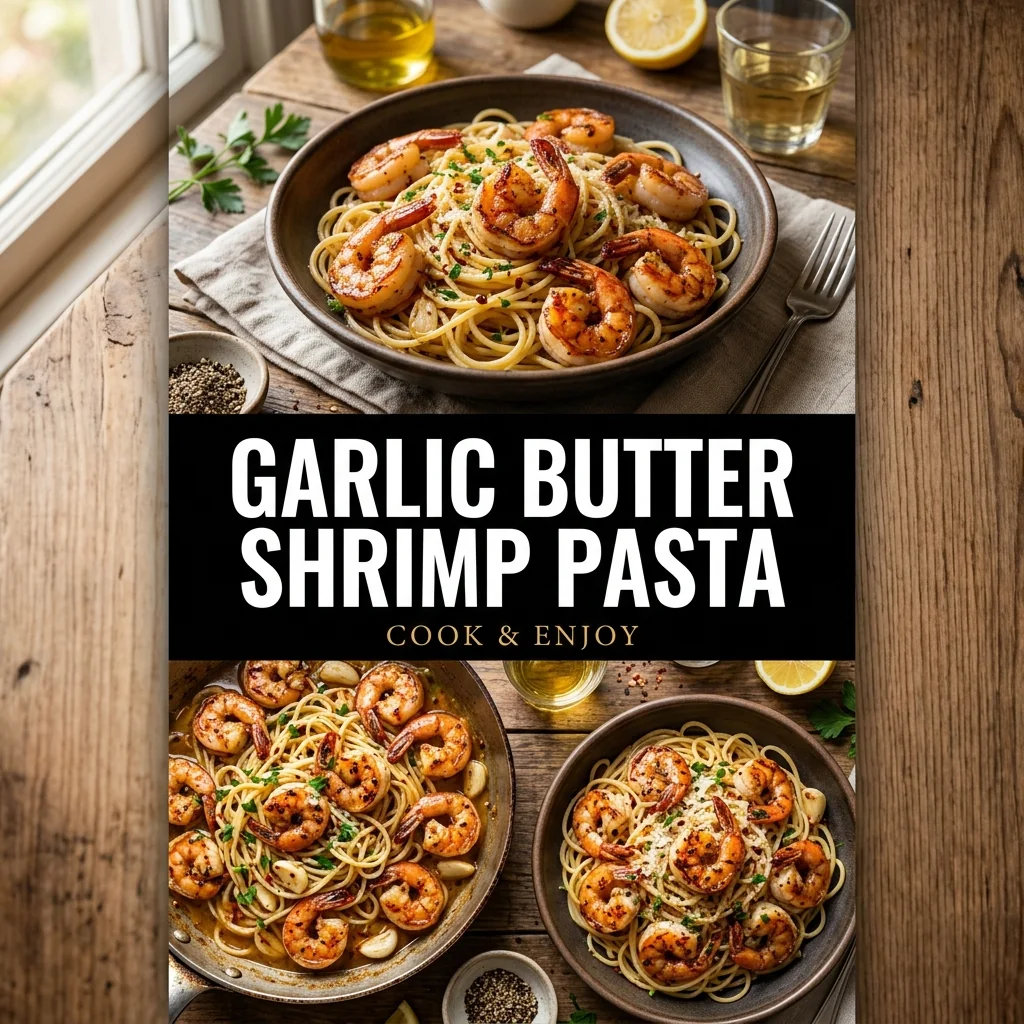
Garlic butter shrimp pasta represents an essential foundation of quick seafood cookery, marrying sweet shellfish with an aromatic pan sauce. The secret to exceptional execution lies in treating the components with precise heat management rather than rushing the process. Searing large shrimp in a wide skillet ensures a golden exterior while safeguarding the tender interior from overcooking. Meanwhile, building the sauce directly in the rendered pan juices extracts maximum flavor from the caramelized fond. By marrying the cooked pasta directly into reducing wine, butter, and starchy water, every noodle absorbs the savory garlic profile. Bright lemon juice and flat-leaf parsley cut through the dairy richness, resulting in a balanced, restaurant-caliber dinner prepared in roughly thirty minutes.
Selecting and Preparing the Shrimp
Choose raw, tail-on or tail-off shrimp sized around 16 to 20 count per pound. Larger shrimp offer greater forgiveness against accidental overcooking during the initial sear. If purchasing frozen seafood, confirm that no sodium tripolyphosphate is added, as treated shellfish expel excess liquid that prevents browning and produces a rubbery texture. Pat the thawed shrimp thoroughly dry between layers of paper towels before seasoning. Removing excess surface water is vital for creating a high-heat sear in the skillet, locking in natural sweetness rather than steaming the flesh in its own released moisture.
Mastering the Butter and Wine Emulsion
The foundation of this luscious pasta coating relies on creating a stable butter emulsion rather than pooled oil. After simmering the dry white wine to concentrate its acidity, reduce the heat before swirling in cold cubes of butter. Incorporating cold fat slowly into warm liquid allows the milk solids and water to disperse evenly without separating. Adding reserved starchy pasta water introduces natural starches that thicken and bind the liquid fat. This mechanical agitation forms a velvety glaze that adheres to pasta ridges instead of collecting at the bottom of the bowl.
Pasta Selection and Finishing Touches
Long, flat pasta cuts such as linguine, fettuccine, or tagliatelle provide ideal surface area for light garlic butter emulsions. Always cook the pasta in heavily salted water until it remains slightly firm to the bite, roughly two minutes short of standard box directions. Finishing the pasta directly inside the bubbling skillet allows the porous starch matrix to absorb the garlicky wine broth directly. Fold in fresh flat-leaf parsley and freshly grated Parmigiano-Reggiano right at the end to preserve vibrant herbal brightness and prevent the cheese from clumping on direct heat.
Before you start
For the silkiest consistency, never boil the sauce rapidly after whisking in the cold butter, as excessive heat breaks the delicate fat-and-water emulsion. Starchy pasta water acts as a natural binder that merges the melted butter, olive oil, and wine into a clinging glaze. If using frozen shrimp, thaw them completely submerged in cold running water, and dry them thoroughly with paper towels before searing to prevent boiling in excess surface moisture.
THE RECIPE
Garlic Butter Shrimp Pasta
4 servings · 15 minutes preparation · 15 minutes cooking
Ingredients
Step-by-step instructions
- Bring a large stockpot filled with 4 quarts of generously salted water to a rolling boil over high heat. Add the linguine and cook, stirring occasionally to prevent sticking, for 9 to 10 minutes until just shy of al dente. Carefully ladle out and reserve 1/2 cup of hot starchy cooking water, then drain the pasta thoroughly.
- Season the peeled and deveined shrimp evenly with 1/2 teaspoon of kosher salt and 1/4 teaspoon of black pepper. Heat 1 tablespoon of olive oil and 1 tablespoon of butter in a 12-inch stainless steel or cast-iron skillet over medium-high heat until the foaming butter subsides and the pan is shimmering hot.
- Add the seasoned shrimp in a single, uncrowded layer across the hot skillet. Sear undisturbed for 90 seconds until the underside turns opaque pink and lightly golden. Flip each shrimp and cook for another 60 to 90 seconds until opaque throughout and firm to the touch, reaching an internal temperature of 145 F (63 C). Immediately transfer to a plate.
- Lower the skillet heat to medium and add the remaining tablespoon of olive oil along with the minced garlic and crushed red pepper flakes. Sauté constantly for 45 to 60 seconds until fragrant and pale blond, taking care not to allow the garlic to brown or turn bitter in the hot oil.
- Pour in the dry white wine to deglaze the skillet, using a flat wooden spoon to scrape up all caramelized brown fond from the bottom. Simmer briskly for 2 to 3 minutes until the liquid reduces by roughly half, concentrating the acidity and cooking off the harsh alcohol aroma.
- Whisk the remaining 3 tablespoons of chilled butter into the simmering wine sauce one tablespoon at a time until smoothly emulsified. Pour in 1/4 cup of the reserved hot pasta water, whisking vigorously over low heat to create a glossy, cohesive pan sauce that coats the back of a spoon.
- Add the drained linguine, seared shrimp, and any resting juices back into the skillet. Toss continuously with tongs over medium-low heat for 1 to 2 minutes, adding an additional splash of pasta water if dry, until the sauce clings evenly to every strand. Stir in the lemon juice, chopped parsley, and grated Parmigiano-Reggiano just before serving warm.
Kitchen notes
For the silkiest consistency, never boil the sauce rapidly after whisking in the cold butter, as excessive heat breaks the delicate fat-and-water emulsion. Starchy pasta water acts as a natural binder that merges the melted butter, olive oil, and wine into a clinging glaze. If using frozen shrimp, thaw them completely submerged in cold running water, and dry them thoroughly with paper towels before searing to prevent boiling in excess surface moisture.
Storage & make-ahead
Store leftover pasta and shrimp in an airtight glass container in the refrigerator for up to 2 days. To reheat, warm gently in a nonstick skillet over medium-low heat with 2 tablespoons of water or broth, tossing frequently until steaming and the shrimp register 145 F (63 C). Avoid microwaving on high heat, which turns delicate shrimp unpleasantly rubbery and splits the butter sauce. Refrigerate perishable leftovers within 2 hours (within 1 hour above 90°F/32°C), using shallow containers. If reheating, heat throughout to 165°F (74°C).
An original recipe guide inspired by themes in our Pinterest research. Recipe has not been independently kitchen-tested. AI-generated image is illustrative; your finished dish may look different.
Frequently asked questions
Can I substitute the white wine with non-alcoholic ingredients?
Yes, substitute an equal volume of low-sodium chicken stock or seafood stock combined with one additional teaspoon of fresh lemon juice. This replicates the necessary liquid volume and balancing acidity required to emulsify the butter sauce without using alcohol.
How do I know when the shrimp are completely cooked?
Shrimp are fully cooked when their flesh turns fully opaque white with pinkish accents and forms a loose 'C' shape. An instant-read food thermometer inserted into the thickest part should read 145 F (63 C); tightly curled 'O' shapes indicate overcooking.
Why did my garlic burn during the sauté step?
Garlic burns quickly when the pan is excessively hot after searing seafood. Lower the stove burner to medium or medium-low before adding the minced cloves, and stir constantly for no longer than 60 seconds before deglazing the pan with wine.